
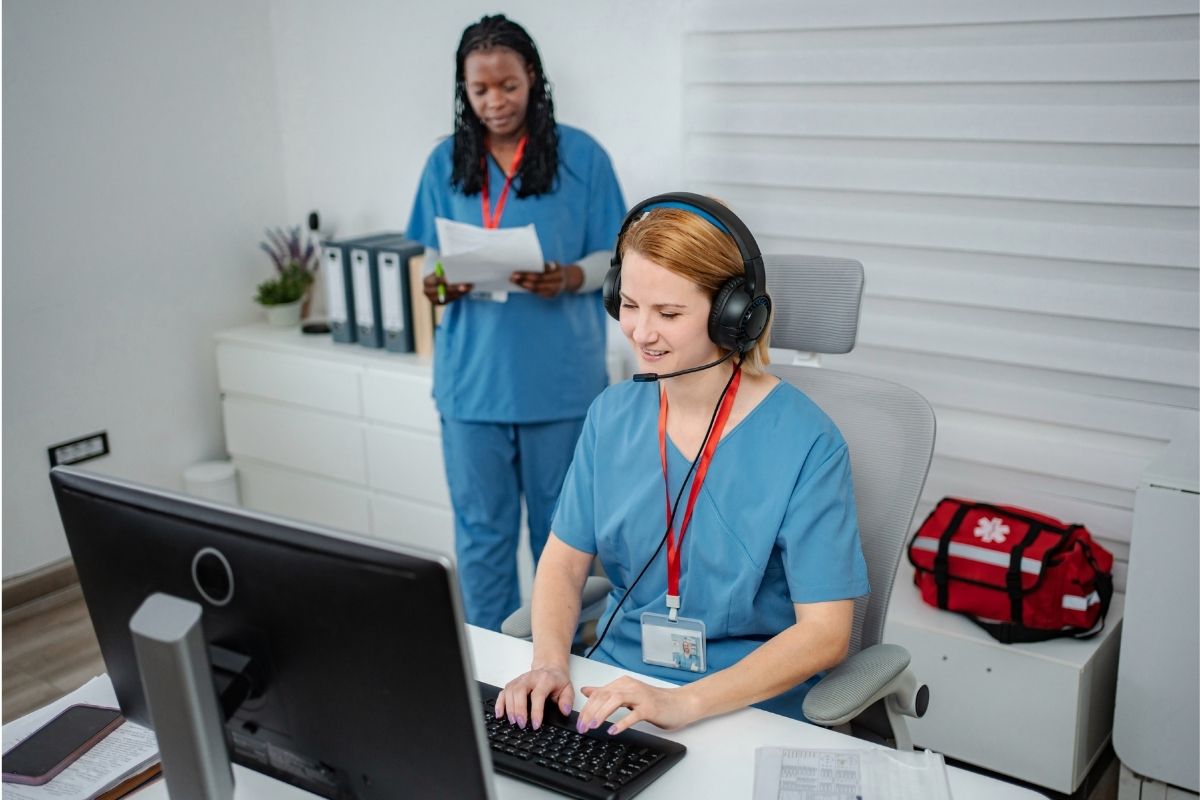
Electronic Health Records (EHRs) support many areas of modern healthcare. They help providers manage patient information, simplify documentation, and improve care coordination. As a result, reliable EHR support helps practices keep these systems running efficiently.
Many people associate EHR support with resolving technical issues. However, it often includes a broader range of services beyond troubleshooting software errors or outages. Additionally, this support helps healthcare organizations improve workflows, boost productivity, and create a better experience for providers and staff.
As healthcare technology changes, medical practices need ongoing guidance to keep their EHR systems running efficiently. In fact, organizations often rely on EHR support for more than troubleshooting. These services can help improve efficiency, adoption, and overall system performance. Therefore, learning the broader role of EHR support helps practices recognize how it contributes to smoother day-to-day operations.
1. Workflow Optimization Improves Daily Efficiency
An EHR should support clinical workflows rather than create unnecessary administrative work. However, your practice may need to update workflows as it grows, regulations change, or you introduce new services.
Workflow optimization may include:
- Reducing unnecessary clicks
- Simplifying documentation processes
- Improving navigation
- Eliminating duplicate data entry
For this reason, regular workflow reviews can help providers and staff complete daily tasks more efficiently.
2. User Training Supports Better System Adoption
An EHR system is only effective when users understand how to use it properly. Additionally, as new employees join the practice or software features change, ongoing training can help users stay familiar with the system.
Training can help users:
- Understand new features
- Improve documentation efficiency
- Follow consistent workflows
- Increase confidence using the system
As a result, properly trained users can complete tasks more accurately and efficiently.
3. Software Updates Keep Systems Current
Healthcare software changes over time as new features, security updates, and performance improvements become available. Consequently, regular updates can help keep the EHR compatible with current technology and organizational requirements.
Updates may include:
- Performance improvements
- Security enhancements
- New functionality
- Bug fixes
- Regulatory-related updates
Therefore, keeping software current can help organizations maintain a stable and reliable technology environment.
4. Ongoing System Reviews Identify Improvement Opportunities
Technology needs change as medical practices grow. For this reason, periodic reviews can help organizations determine if their workflows, configurations, and system settings still support daily operations.
System reviews may identify opportunities to:
- Improve efficiency
- Simplify administrative tasks
- Optimize user settings
- Enhance reporting capabilities
In addition, regular reviews can help organizations improve their systems over time instead of only addressing issues when they occur.
5. User Experience Influences Productivity
A positive user experience can affect provider satisfaction and staff productivity. However, complicated workflows, repetitive tasks, or difficult navigation can raise administrative workload and lower efficiency.
Improving the overall user experience may involve:
- Streamlining common tasks
- Improving workflow consistency
- Simplifying screen layouts
- Reducing unnecessary manual processes
As a result, these improvements can help users spend less time navigating technology and more time focusing on patient care.
6. Regular EHR Support Helps Prevent Future Issues
EHR support does more than solve existing problems. Instead, it can also help identify potential issues before they affect daily operations.
Regular support may include:
- Performance monitoring
- System health reviews
- Preventative maintenance
- Configuration recommendations
As a result, these services can help practices reduce disruptions and maintain a reliable EHR environment.
7. Ongoing Improvements Support Long-Term Value
Healthcare organizations invest significant resources in their EHR systems. Fortunately, regular updates and improvements can help. This allows practices to meet their needs as technology and workflows change.
Instead of waiting for problems to occur, practices can regularly review how their EHR supports providers, staff, and patients.
Looking Beyond Technical EHR Support
Effective EHR support focuses on improving technology performance, not simply fixing problems. Workflow improvements, user training, system maintenance, monitoring, and regular reviews can help healthcare organizations operate more efficiently.
Ultimately, medical practices must understand the broader role of EHR support. This can help them see how ongoing system improvements support daily operations and the overall user experience.
Conclusion
Modern EHR systems need more than occasional troubleshooting to work effectively. Workflow improvements, ongoing training, software updates, and regular system reviews can create a more efficient and reliable healthcare environment. Overall, ongoing EHR support can help medical practices improve productivity, support users, and keep day-to-day operations running smoothly.
Keep Your NextGen Environment Performing at Its Best
VirMedice’s NextGen support services help healthcare organizations improve workflows and system performance. The team also provides user guidance and ongoing management. Our experienced team works with your practice to help you get more from your EHR investment. If you would like to discuss your NextGen environment, contact VirMedice today at 623-582-9004 x301 or email sales@virmedice.com. We’re happy to answer your questions and help you explore support options that fit your practice’s needs.